
Website Audit for Improved SEO Performance and User Experience
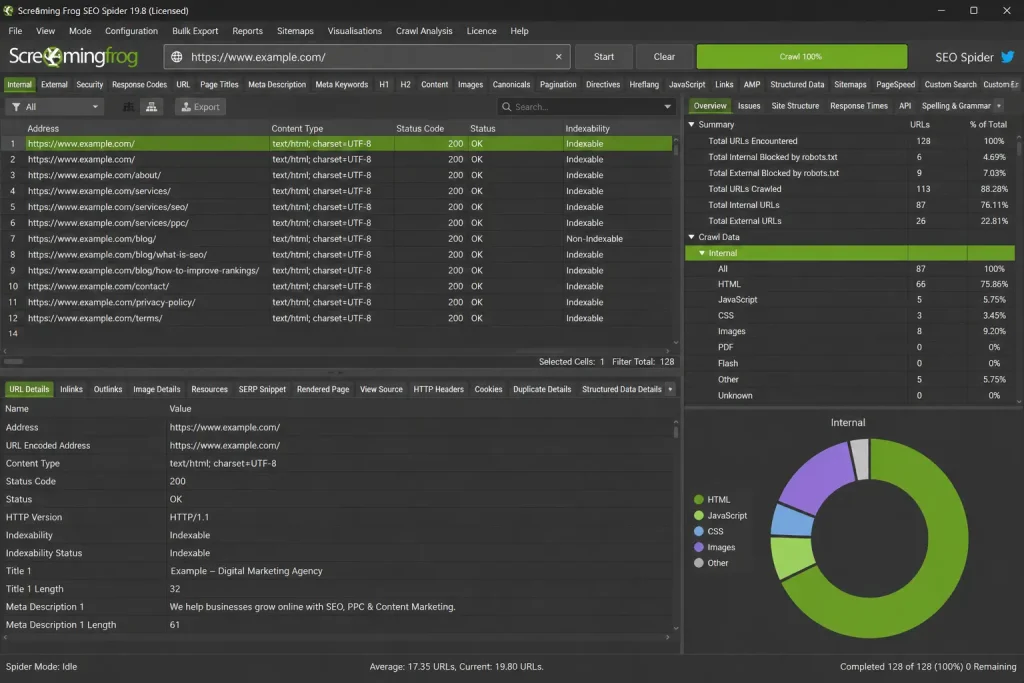
A website audit is a critical part of any successful SEO strategy. It helps identify technical issues, content gaps, and optimization opportunities that may affect a website’s performance in search engine results. One of the most widely used tools for conducting a comprehensive SEO audit is Screaming Frog SEO Spider. This powerful crawler allows SEO professionals to analyze websites in depth and uncover issues that could be preventing better rankings and user experience.
Screaming Frog works by crawling a website in a similar way to how search engine bots, such as Googlebot, access and index web pages. During the crawl, the tool collects valuable data about URLs, page titles, meta descriptions, heading tags, images, internal links, redirects, and response codes. This information helps SEO specialists quickly identify technical problems and prioritize fixes.
One of the first areas to review during a website audit is the status codes returned by each page. Screaming Frog can easily identify broken pages that return 404 errors, server errors, and unnecessary redirects. Fixing these issues improves user experience and ensures search engines can crawl the website efficiently.
Another important aspect of the audit is metadata analysis. The tool highlights missing, duplicate, or poorly optimized title tags and meta descriptions. Since title tags and meta descriptions play a significant role in search engine visibility and click through rates, optimizing them can lead to improved organic traffic. Each page should have a unique title and description that accurately reflects the content while incorporating relevant keywords.
Heading tags are also essential for SEO. Screaming Frog helps identify missing or duplicate H1 tags and allows auditors to review the overall heading structure of each page. Proper heading usage improves content organization and helps search engines understand the main topics of a page.
Internal linking is another key factor analyzed during a website audit. Strong internal links help distribute authority across the website and guide both users and search engines to important pages. Screaming Frog can identify orphan pages, pages with few internal links, and opportunities to improve site architecture.
Image optimization should not be overlooked. Large image files can slow down page speed, while missing alt text can reduce accessibility and SEO value. Screaming Frog provides reports on image sizes, missing alt attributes, and broken images, allowing website owners to optimize visual content effectively.
Redirect analysis is also a valuable feature. The tool can detect redirect chains and loops that waste crawl budget and negatively impact website performance. Replacing inefficient redirects with clean 301 redirects can improve crawlability and user experience.
Once the audit is complete, SEO professionals can export the data into spreadsheets for further analysis and reporting. Issues are typically categorized by priority, with critical technical errors addressed first, followed by optimization opportunities.
In conclusion, Screaming Frog is one of the most effective tools for conducting a website audit. It provides detailed insights into a website’s technical health, content structure, and SEO performance. By regularly performing audits with Screaming Frog, businesses can identify issues early, improve search engine visibility, and create a stronger foundation for long term SEO success.